
Most luxury real estate is evaluated house-first. Buyers compare finish level, floor plan, age, square footage, pool, garage, views, and recent nearby sales.
That works for most homes. It does not work as well for rare Westlake acreage.
In close-in Westlake, the strongest properties are often valuable for reasons that do not fit neatly into a spec sheet. They offer school-district strength, lake access, privacy, Hill Country topography, downtown proximity, mature trees, creek systems, and long-term optionality in one of Austin’s most supply-constrained submarkets.
The better question is not simply, ‚ Is the house perfect?‚The better question is, ‚What does this land make possible that I may not be able to buy again?
Why this matters
The Westlake acreage premium is not about lot size alone. It is the overlap of Lake Austin lifestyle, Eanes ISD demand, Hill Country privacy, close-in amenities, and long-term land scarcity.
Westlake acreage is not just a bigger lot
A large lot is not automatically rare. In Westlake, rarity comes from the combination of size, setting, usability, access, and surrounding context.
The area is physically constrained by the Colorado River, Lake Austin, established neighborhoods, preserve land, steep terrain, creek corridors, and a school district that has attracted demand for decades. Those constraints are exactly what make the area beautiful. They are also what make meaningful land difficult to assemble.
That is why land-first property behaves differently from a conventional luxury home. You are not only buying bedrooms and finishes. You are buying separation, topography, water, views, privacy, tree canopy, school access, and the ability to control more of your environment over time.
A kitchen can be remodeled. A pool can be added. A dated exterior can be redesigned. You cannot easily add acreage, create a creek, move a property into Eanes ISD, or reproduce mature Hill Country terrain ten minutes from central Austin.
Westlake value drivers
7,500+
students in Eanes ISD, according to district facts
32,000+
acres in the Balcones Canyonlands Preserve system
Lake Austin
constant-level water, boating culture, and west-side recreation demand
$2.09M
average market value of residences reported by Eanes ISD
The lifestyle premium: close-in, but not crowded
The best Westlake acreage has a lifestyle profile that is hard to match: quiet at home, but close to the city.
For many buyers, that is the real draw. You can have a property that feels private, wooded, and removed, then still be minutes from downtown Austin, Lake Austin, Bee Cave Road, Loop 360, Westlake retail, private clubs, restaurants, medical offices, and the schools that anchor daily life.
That matters because luxury buyers are not only buying a house. They are buying the rhythm of the week. School drop-off. Lake mornings. Dinner in town. Space for guests. A home office that does not feel boxed in. Room for a pool, sport court, garden, casita, studio, or future second structure, where allowed. Trails and trees outside the window instead of another roofline.
The more Austin grows, the more valuable that contrast becomes. Close-in privacy is increasingly difficult to manufacture.
Lake Austin changes the value conversation
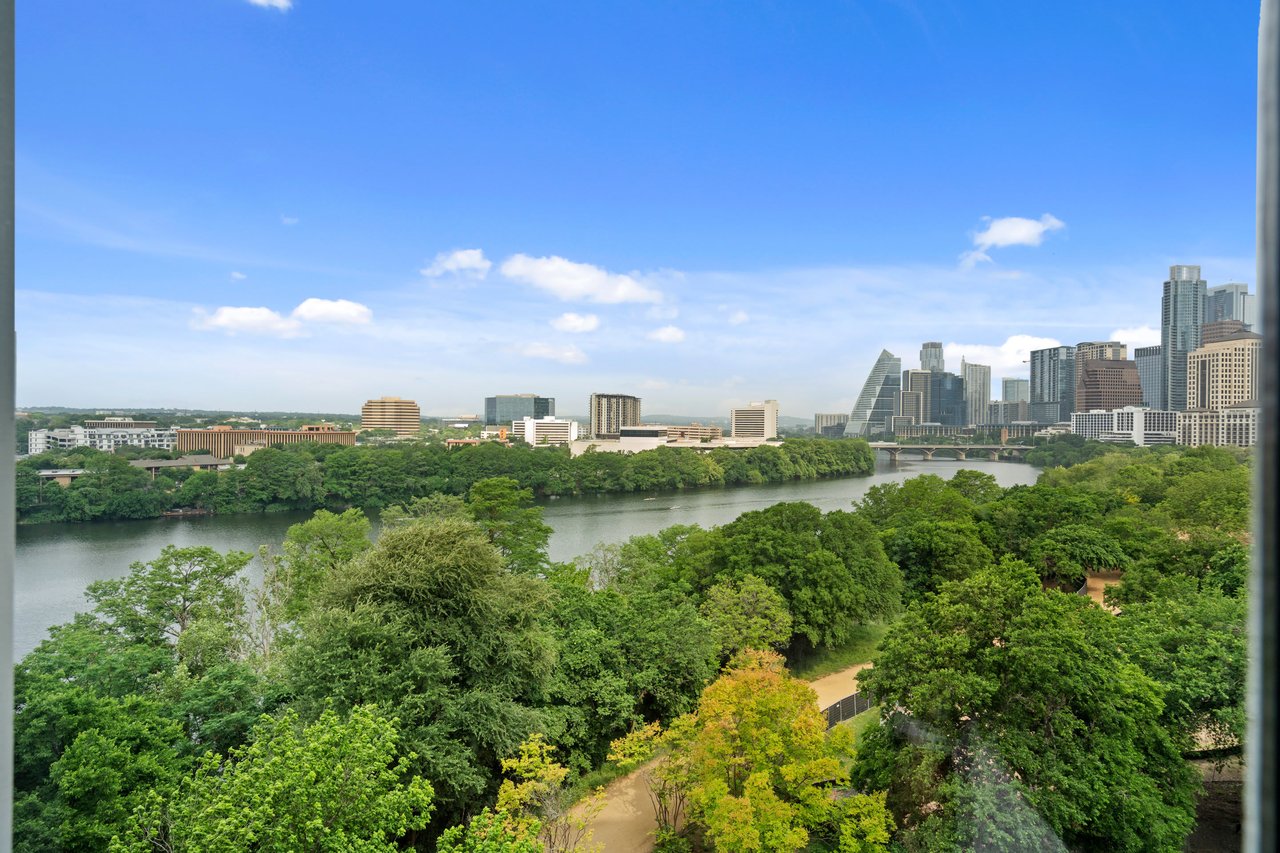
Lake Austin is one of the defining features of Westlake‚ western edge. It is part of the Texas Highland Lakes system, fed by the Colorado River from Lake Travis and flowing downstream toward Lady Bird Lake. The reservoir was formed by Tom Miller Dam in 1939 and is commonly described as a constant-level lake, which is one reason it has remained central to Austin‚ and recreational and residential identity.
The lake is not just scenery. It shapes how people live in West Austin.
Boating, wakesurfing, fishing, paddleboarding, waterfront dining, marina access, and the social life around the lake all contribute to demand. Even properties that are not directly waterfront can benefit from proximity to the lake because the surrounding land pattern is so limited: cliffs, coves, bridges, steep lots, preserve edges, and established streets create a finite geography.
In other words, Westlake acreage is not valuable only because the dirt is large. It is valuable because the dirt sits inside a larger lifestyle system: Lake Austin, downtown Austin, Eanes ISD, Hill Country terrain, and established luxury demand all pulling in the same direction.

Eanes ISD is a demand engine
Eanes ISD is one of the clearest reasons buyers focus on Westlake. The district reports roughly 7,500 students across five elementary schools, two middle schools, and one high school. It also reports a Class of 2025 average SAT score of 1281, compared with a Texas average of 964, and says 92% of AP exams administered through spring 2025 earned a score of 3 or higher.
Those numbers do not tell the whole story, but they explain part of the buyer behavior. For many families, Eanes is not a perk. It is the search parameter.
That school-driven demand tends to support multiple segments of the market at once: move-up families, relocation buyers, executives who want proximity to downtown, grandparents buying for future family flexibility, and luxury buyers who want a home that can retain relevance across life stages.
When you combine that demand with acreage, the buyer pool narrows ‚but the asset becomes harder to replace. The buyer is not just choosing between two homes. They are choosing between two versions of life.
What history says about land value
Real estate markets move in cycles. Luxury demand cools and heats. Interest rates matter. Inventory matters. Buyer psychology matters.
But over a longer horizon, Westlake has benefited from a simple imbalance: more people want the location than there are meaningful sites to buy.
Eanes ISD's own district facts page reports the average market value of residences at approximately $2.09 million. City-Data’s West Lake Hills profile estimates median house or condo value above $1 million in 2024, compared with $330,400 in 2000. Those figures are broad and should not be used as a valuation for any individual property, but they do show the larger arc: close-in Westlake residential land has become substantially more valuable over time.
The most durable part of that value is usually the land. Finishes age. Design preferences change. Even very expensive homes eventually need reinvestment. But a scarce site in the right school district, near the lake, with privacy and long-term optionality can remain relevant through multiple design cycles.
That is why sophisticated buyers often separate replacement cost from land scarcity. A house may be worth what it would cost to build or renovate. A rare site is worth what the market believes it may not be able to find again.
What to look for in land-first Westlake property
If you are evaluating acreage in Westlake, I would look beyond the house and focus on eight questions:
1. Is there real privacy?
Acreage only matters if it changes how the property lives. Tree cover, setbacks, elevation, and natural buffers can make a site feel removed from the city without actually being far from it.
2. Is there water?
Creek frontage, waterfalls, limestone shelves, springs, and drainage patterns can dramatically affect the feel of a property. They can also create natural boundaries that are hard to duplicate.
3. Are there views?
Some Westlake sites offer downtown views. Others offer canyon, creek, preserve, or Hill Country views. Each creates a different kind of value, and each appeals to a different buyer.
4. How much of the land is usable?
Raw acreage is not the same as usable acreage. Slope, access, utilities, easements, drainage, protected trees, impervious cover, and buildable envelopes all matter.
5. Is there legal-lot optionality?
Multiple legal lots can change the long-term value conversation. They may support a family compound, phased construction, partial sale, future redevelopment, or simply more flexibility for the next owner.
6. What surrounds it?
Preserve adjacency, creek corridors, established large-lot neighbors, and limited future development nearby can be just as important as what is inside the property lines.
7. How does it live day to day?
The best acreage is not only impressive on paper. It should make daily life better: easier entertaining, quieter mornings, better outdoor space, room for guests, and a stronger sense of arrival.
8. Can the property evolve?
A rare site should give the next owner options. That may mean renovating the existing home, building new, adding amenities, creating a compound, holding long-term, or simply enjoying the land as it is.
The Wild Basin side has a different feel
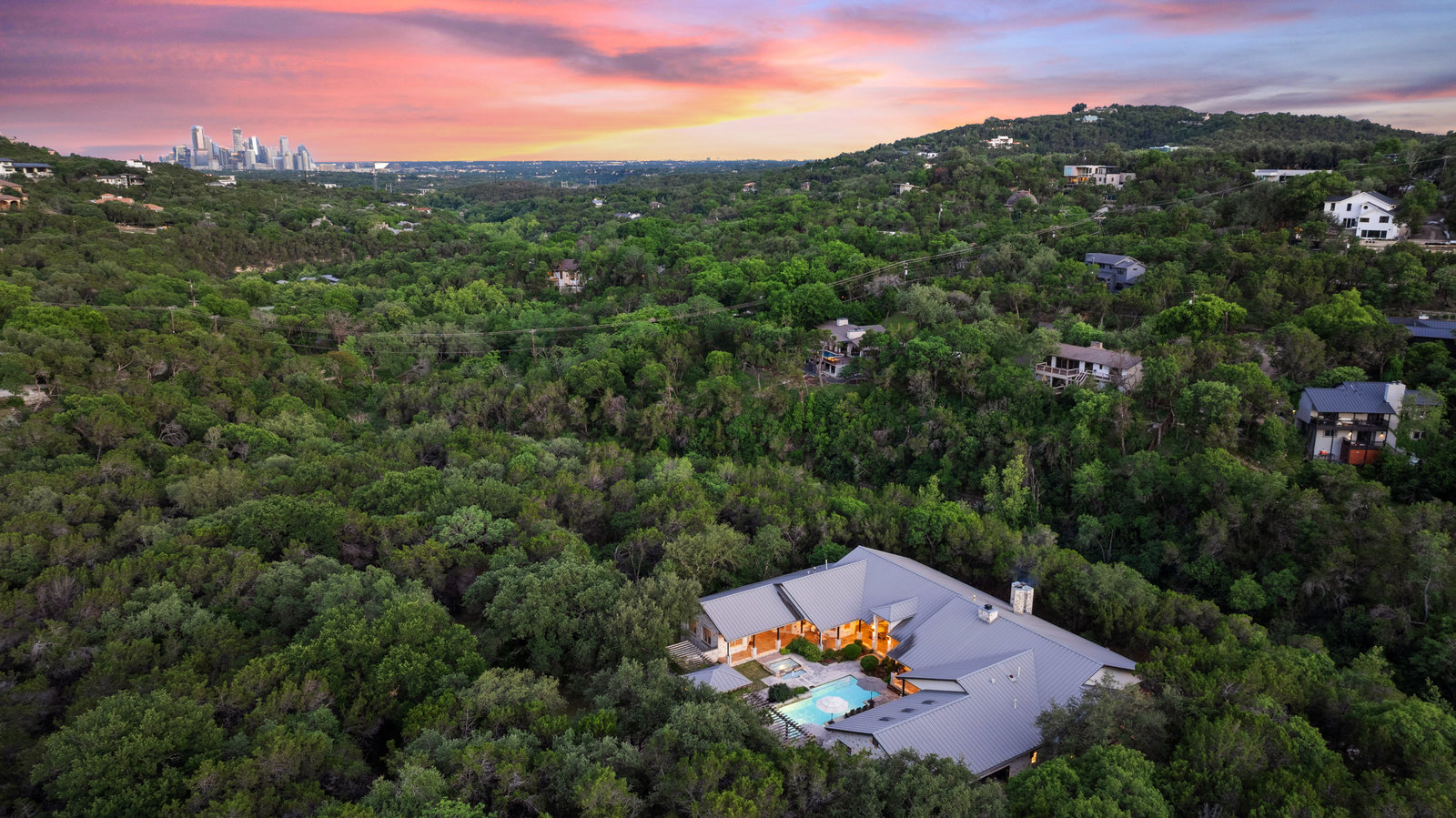
The Wild Basin side of Westlake is a good example of why the land conversation matters, but it should be understood as part of a broader Westlake story rather than a stand-alone nature note.
St. Edward's University describes Wild Basin Wilderness Preserve as a preserve assembled through years of community effort and completed in 1976 as Austin's first nature preserve. The City of Austin describes the broader Balcones Canyonlands Preserve as a multi-partner preserve system totaling more than 32,000 acres and protecting endangered-species habitat while allowing the region to grow.
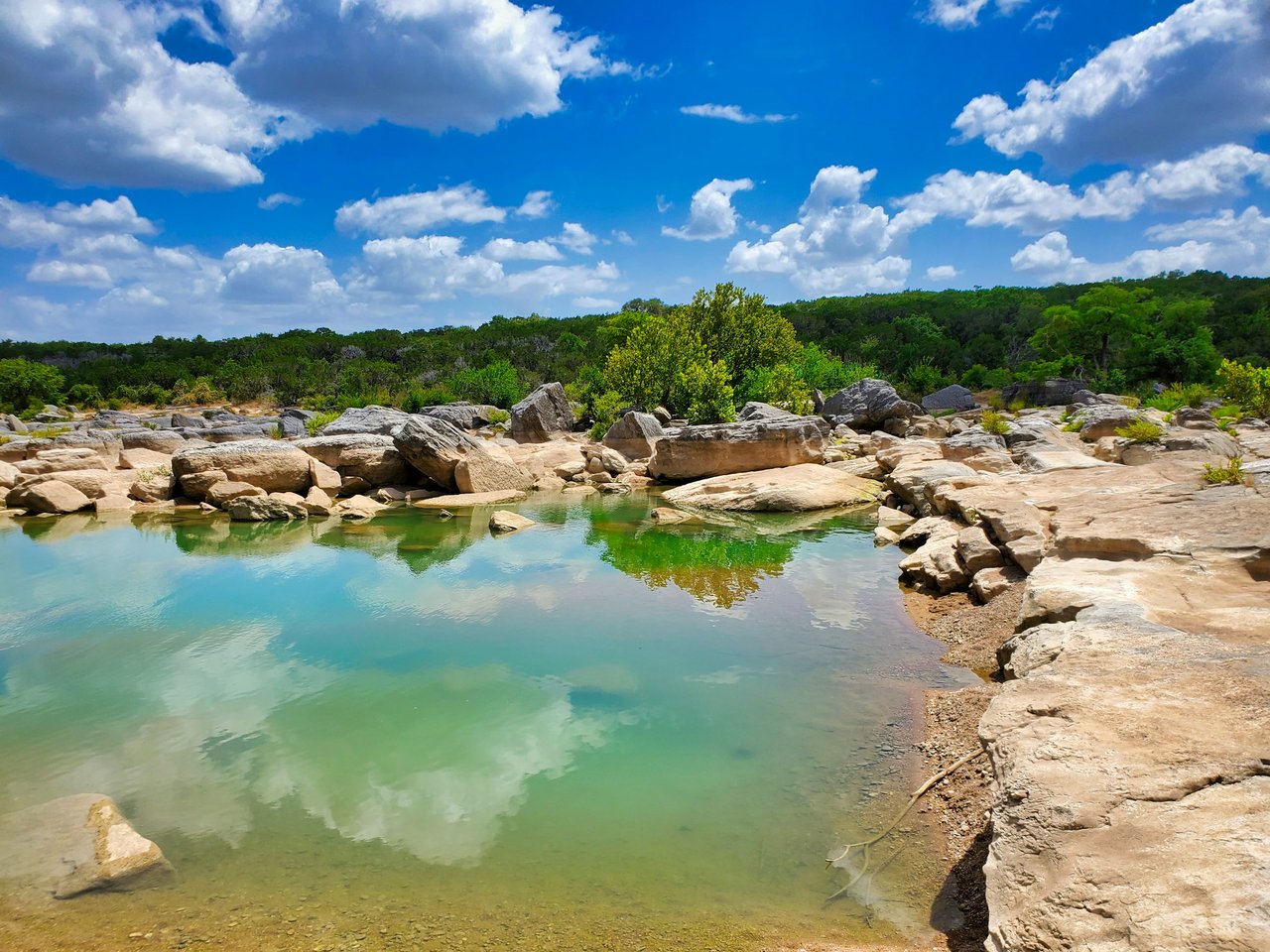
That surrounding context affects how nearby land feels. Preserve systems, creek corridors, and protected habitat create edges. Edges create privacy, views, and a sense of permanence. They also limit how much comparable land can be created in the future.
For a buyer, that means the setting is not just a backdrop. It is part of the asset.
Amenities matter because they make the land easier to live with
One reason Westlake acreage is so compelling is that it does not require the trade-off many acreage buyers face. In many markets, more land means a longer drive, fewer services, weaker schools, or less connection to the city.
Westlake is different. Depending on the exact location, residents can be close to Lake Austin, Loop 360, Bee Cave Road, Westbank retail, Davenport Village, Barton Creek, downtown Austin, private clubs, fitness studios, medical offices, restaurants, and the trail-and-water culture that defines west Austin.
That amenity stack matters for value because it widens the buyer pool. A property can appeal to someone who wants land without isolation, privacy without inconvenience, and a Hill Country feel without leaving Austin’s economic and cultural center.
That is a powerful combination.
Optionality is the premium
The most interesting Westlake acreage is rarely about one single use case. It is valuable because it can support more than one future.
A buyer may want to enjoy the existing home now and improve it later. Another may want a compound. Another may care most about land control, privacy, or the ability to solve for family needs over time. Another may see value in holding a rare site through the next cycle rather than trying to time the market perfectly.
That range of possible futures is part of the premium.
The bottom line
There are plenty of beautiful homes in Westlake. There are far fewer properties where the land itself is the story.
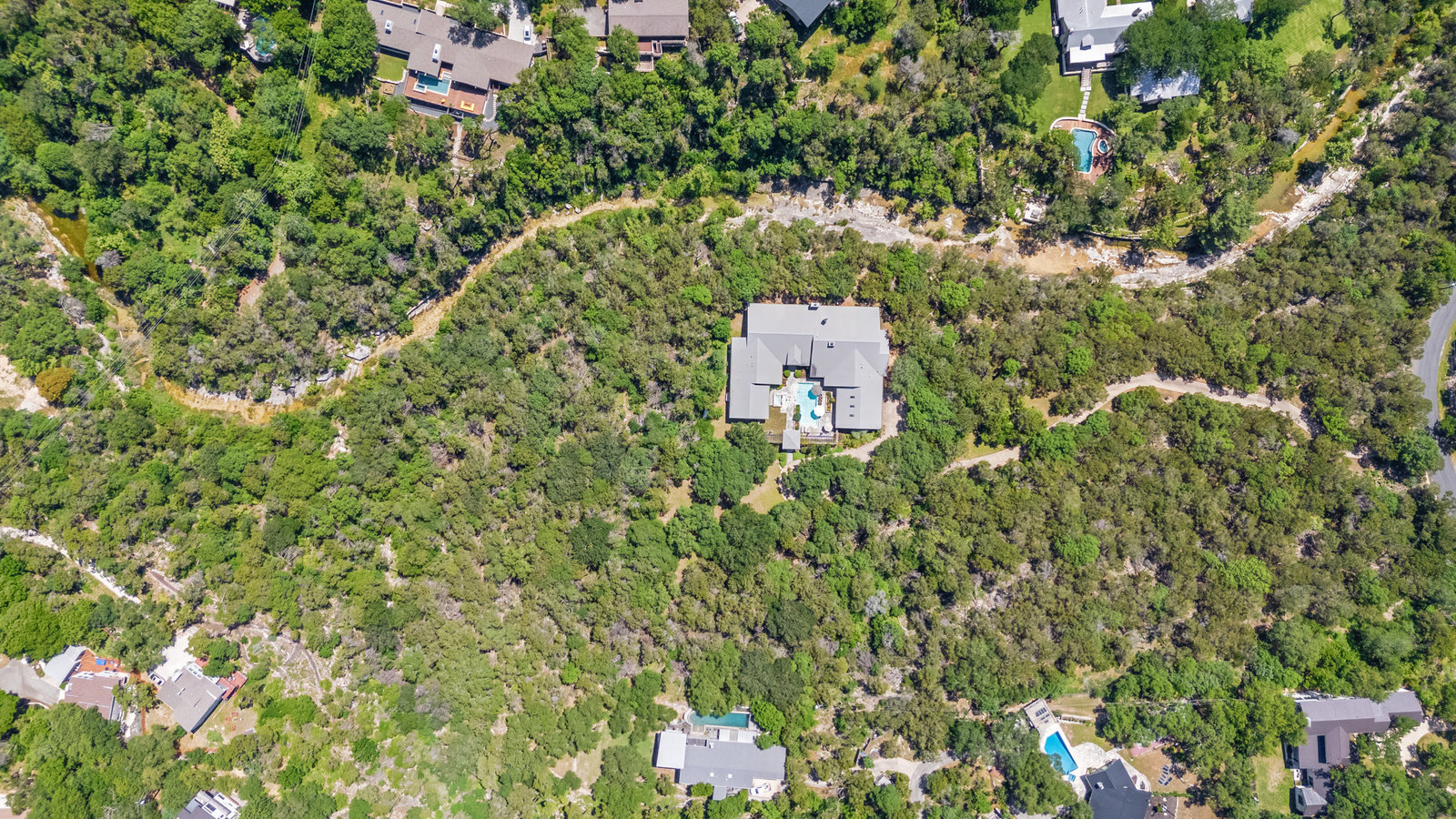
When a site combines meaningful acreage, privacy, water, views, school-district strength, lake proximity, established amenities, and future optionality, it should be evaluated differently. The question is not only what is there today. The question is what the land makes possible over the next decade.
That is why rare Westlake acreage deserves more than a quick comparison to the nearest renovated home. The value is not only in the structure. It is in the setting, the scarcity, the daily lifestyle, and the number of future paths the property can support.
If you are looking at this category, start with the dirt. The house can change. The land usually cannot.
Further reading:
Eanes ISD district facts
St. Edward’s University: Wild Basin history and context
City of Austin: Balcones Canyonlands Preserve
Lake Austin background
Lake Austin hero image attribution
Pennybacker Bridge image attribution