Sean Smith · Engel & Völkers Austin · Lake Austin Waterfront Advisory
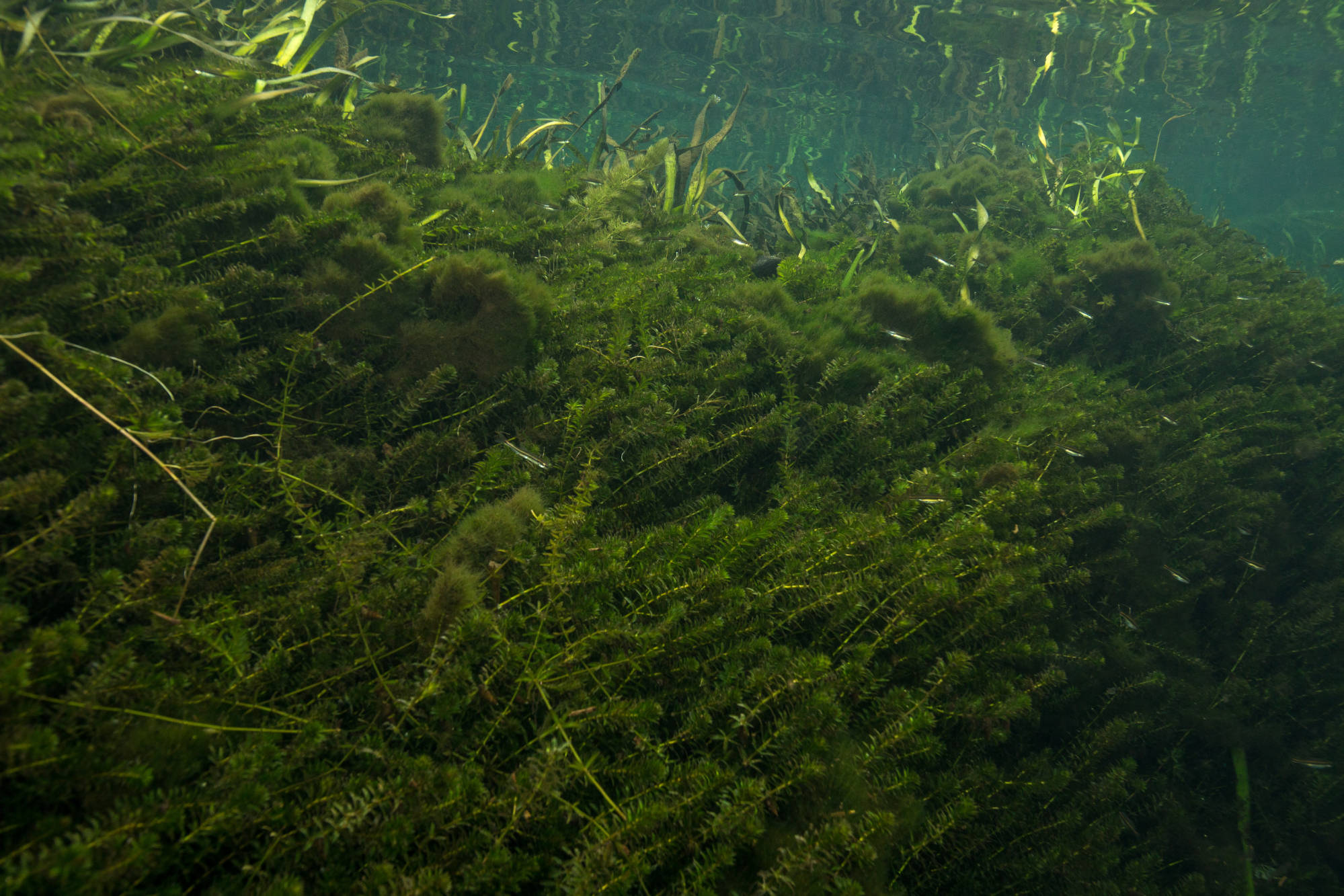
Hydrilla is back on Lake Austin in a meaningful way. For waterfront owners, buyers, and sellers, the issue is not just environmental — it touches dock access, shoreline maintenance, boating, permitting, and long-term property planning.
If you own a home on Lake Austin, are considering buying waterfront, or spend meaningful time on the lake, you have probably heard the word hydrilla more often over the past year.
Hydrilla is not new to Lake Austin, but the 2025–2026 resurgence has made it one of the most important local issues for waterfront homeowners, marina operators, boaters, and buyers evaluating lakefront property.
This is not a reason to panic, and it is certainly not a reason to write off Lake Austin. But it is a reason to understand what is happening, how the City is responding, and what owners and buyers should be thinking about before they make a waterfront decision.
The short version: Lake Austin remains one of the most desirable waterfront markets in Central Texas, but the smartest owners and buyers are looking beyond the house itself — at the water, dock, shoreline, access, permitting, and maintenance picture.
What is hydrilla?
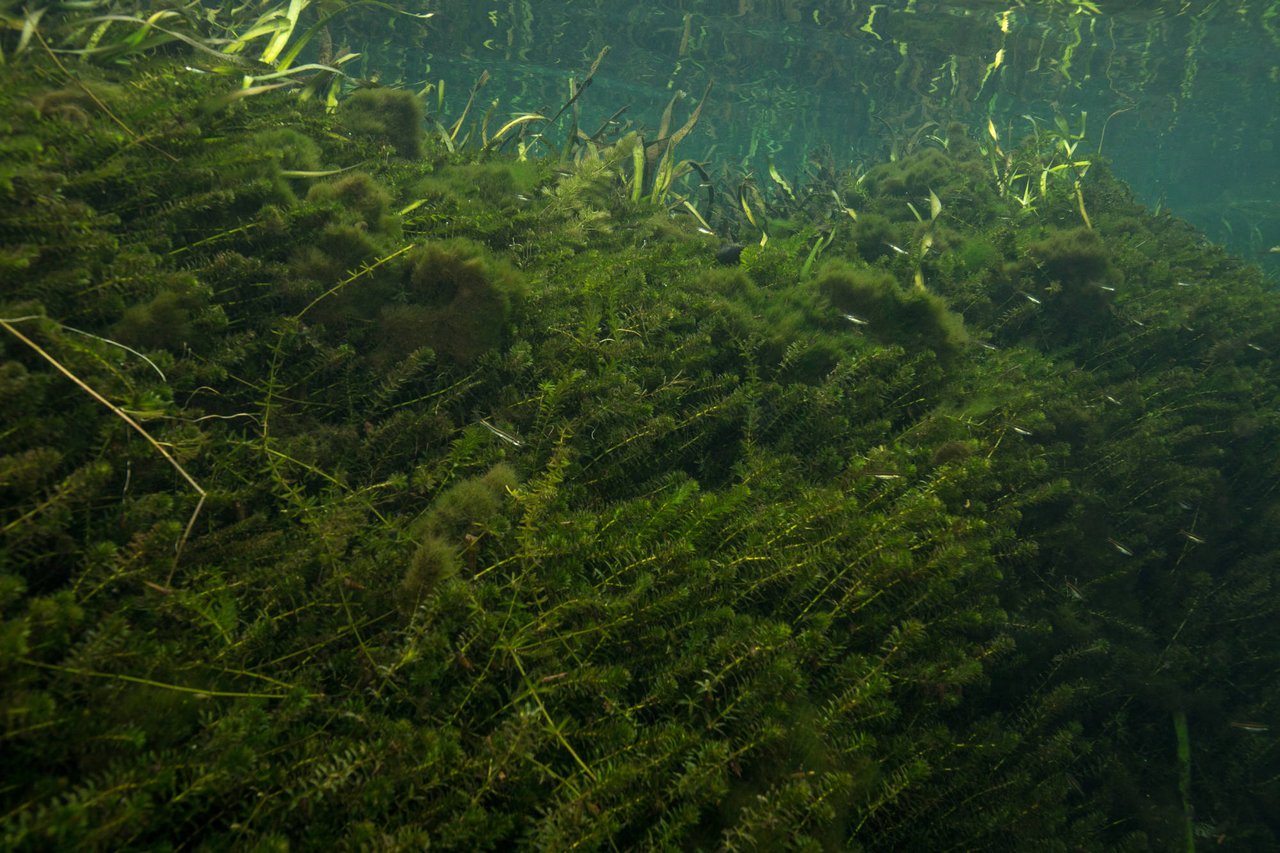
Hydrilla is a non-native, invasive aquatic plant that grows underwater and can form dense mats near the surface. In moderate amounts, aquatic vegetation can support fish habitat and water quality. The issue is that hydrilla can spread quickly and become dense enough to interfere with boating, swimming, docks, water intakes, and native vegetation.
Lake Austin has dealt with hydrilla before. It was first documented in the lake in 1999, and previous management efforts relied heavily on sterile grass carp. For years, hydrilla was largely under control. That changed again in 2025, when a combination of weather, water conditions, and nutrient inputs helped fuel a rapid return.
Why hydrilla surged again
According to the City of Austin, hydrilla spread quickly after conditions became favorable in 2025. Warm water, altered flows, flooding impacts, and elevated nutrients can all contribute to aquatic vegetation growth.
Hydrilla can also spread by fragmentation. Small pieces break loose, move around the lake, and establish new growth elsewhere. That is one reason boats, trailers, gear, and shoreline cleanup practices matter.
By early 2026, Texas Parks and Wildlife estimated approximately 592 acres of hydrilla in Lake Austin. By May 2026, the City described hydrilla as growing in approximately 37% of the lake.
Why this matters for waterfront real estate
Hydrilla conditions can affect the everyday usability of a dock, slip, cove, or swim area — and those details matter during ownership, due diligence, and resale.
For owners, this can mean more attention to dock access, boat slip conditions, vegetation near the shoreline, and maintenance timing. For buyers, it means the due diligence should go beyond the home and include the waterfront infrastructure itself.
What the City is doing about it
The City of Austin’s primary management tool is the use of sterile grass carp. Grass carp prefer to eat hydrilla over many other aquatic plants, which makes them a lake-wide biological management tool.
On May 1, 2026, Austin Watershed Protection released an additional 2,790 sterile grass carp into Lake Austin. The City said the stocking increased the grass carp population from roughly five fish per acre of hydrilla to roughly eight fish per acre.
This is not an overnight fix. The City has been clear that responsible hydrilla management is a long-term effort and may take multiple seasons to show measurable results.

Video: more carp released into Lake Austin
The video below provides a quick local news overview of the recent carp release and why the City is using sterile grass carp to manage hydrilla.
Video source: KXAN. If the video does not load in the editor, watch it directly on YouTube.
Why herbicides are limited on Lake Austin
Many owners naturally ask why the lake cannot simply be treated chemically. The City of Austin has stated that herbicides are not allowed for use in Lake Austin. A key reason is that Lake Austin is a drinking water source and a heavily used reservoir with dense shoreline development.
For individual owners seeking temporary relief near docks or shorelines, the City points to manual or mechanical removal as the practical route. However, removed hydrilla needs to be handled carefully so plant fragments are not pushed back into the lake and spread elsewhere.
The drawdown discussion
The other major issue is a potential Lake Austin drawdown. A drawdown would temporarily lower the lake level, creating a rare window for waterfront owners to complete work that is difficult or impossible when the lake is at normal levels.
Historically, drawdowns have sometimes been discussed as a vegetation-management tool. However, the City’s current position is more nuanced: drawdowns have not proven reliable as a long-term hydrilla-control strategy and may even create conditions that allow hydrilla to rebound.
That does not mean a drawdown is irrelevant. For property owners, it could still matter significantly as a maintenance window for:
- Dock repairs
- Bulkhead or seawall work
- Shoreline stabilization
- Boat slip cleanup
- Localized mechanical removal near private property
City staff have described a typical Lake Austin drawdown as lowering the lake by approximately 10 feet, with the full lowering and refilling period taking roughly six weeks. Any drawdown would require coordination with LCRA because of the way Mansfield Dam and Tom Miller Dam operate within the lake system.
A drawdown may not be a hydrilla cure, but it could become one of the most important maintenance windows Lake Austin owners have had in years.
What this means if you own on Lake Austin
If you already own Lake Austin waterfront, the key is to stay ahead of the issue rather than react after conditions worsen or after a drawdown decision is already made.
- Evaluate your dock and shoreline now. If a future drawdown creates a maintenance window, you will want to already know what work is needed.
- Start conversations early. Contractors, engineers, permitting consultants, and dock specialists can book up quickly when lake-wide maintenance becomes a focus.
- Understand your permitting path. Shoreline work may involve LCRA, the City of Austin, and/or other regulatory review depending on the project.
- Document current conditions. Photos of your shoreline, dock, slip, and vegetation can be useful for contractors, permitting, and long-term planning.
- Be mindful of runoff. Fertilizers and nutrient-heavy runoff can contribute to aquatic vegetation growth. Waterfront landscaping choices matter.
What this means if you are buying on Lake Austin
Hydrilla is not a reason to avoid Lake Austin. It is, however, a reason to be more thoughtful during due diligence.
When advising waterfront buyers, I pay close attention to details that do not always show up clearly in listing photos:
- The condition and permit history of the dock
- The shoreline, bulkhead, and erosion conditions
- The depth and usability of the boat slip
- Where the property sits on the lake
- Whether the cove or shoreline has visible vegetation pressure
- How maintenance obligations may affect long-term ownership
On Lake Austin, the house is only part of the purchase. The water, dock, shoreline, access, permitting, and maintenance picture all matter. That is where local experience becomes especially valuable.
How sellers should think about hydrilla
If you are considering selling a Lake Austin property, hydrilla should not be ignored — but it also should not be allowed to dominate the story.
The best approach is to be prepared, informed, and transparent. That means understanding your dock condition, shoreline maintenance history, permitting documents, and any known property-specific issues before going to market.
For luxury waterfront buyers, confidence matters. A well-prepared seller can answer questions clearly and position the property around its long-term value, usability, setting, and lifestyle — while still acknowledging the current lake conditions in a professional way.
Lake Austin Waterfront Advisory
The Lake Austin takeaway
Lake Austin remains one of Central Texas’ most desirable waterfront markets. But the smartest decisions are being made by owners and buyers who understand the full picture: the home, the water, the dock, the shoreline, the permitting path, and the long-term maintenance plan.
If you own on Lake Austin and want to talk through how the current hydrilla situation, potential drawdown discussions, or dock and shoreline considerations could affect your property, I’m happy to help.
If you are buying waterfront, I can help you evaluate the lake-specific details that matter before you make a move.
Sean Smith
Austin Real Estate Advisor
seansmithatx.com
Sources & further reading
- City of Austin Watershed Protection — Lake Austin Hydrilla Project
- City of Austin — May 2026 Grass Carp Stocking Update
- City of Austin — Plant Life in Austin’s Lakes
- City of Austin Staff Memo — Lake Austin Drawdown Update
- LCRA — Docks & Marinas Permitting
- U.S. Fish & Wildlife Service — Hydrilla Image
- Wikimedia Commons / USFWS — Grass Carp Image
- KXAN — More carp now in Lake Austin to tackle hydrilla
This article is for general informational purposes only and reflects publicly available information as of June 2026. Lake conditions, City policy, drawdown discussions, and permitting requirements can change. Confirm current requirements with the City of Austin, LCRA, Texas Parks and Wildlife, and qualified professionals before beginning shoreline or dock work.